
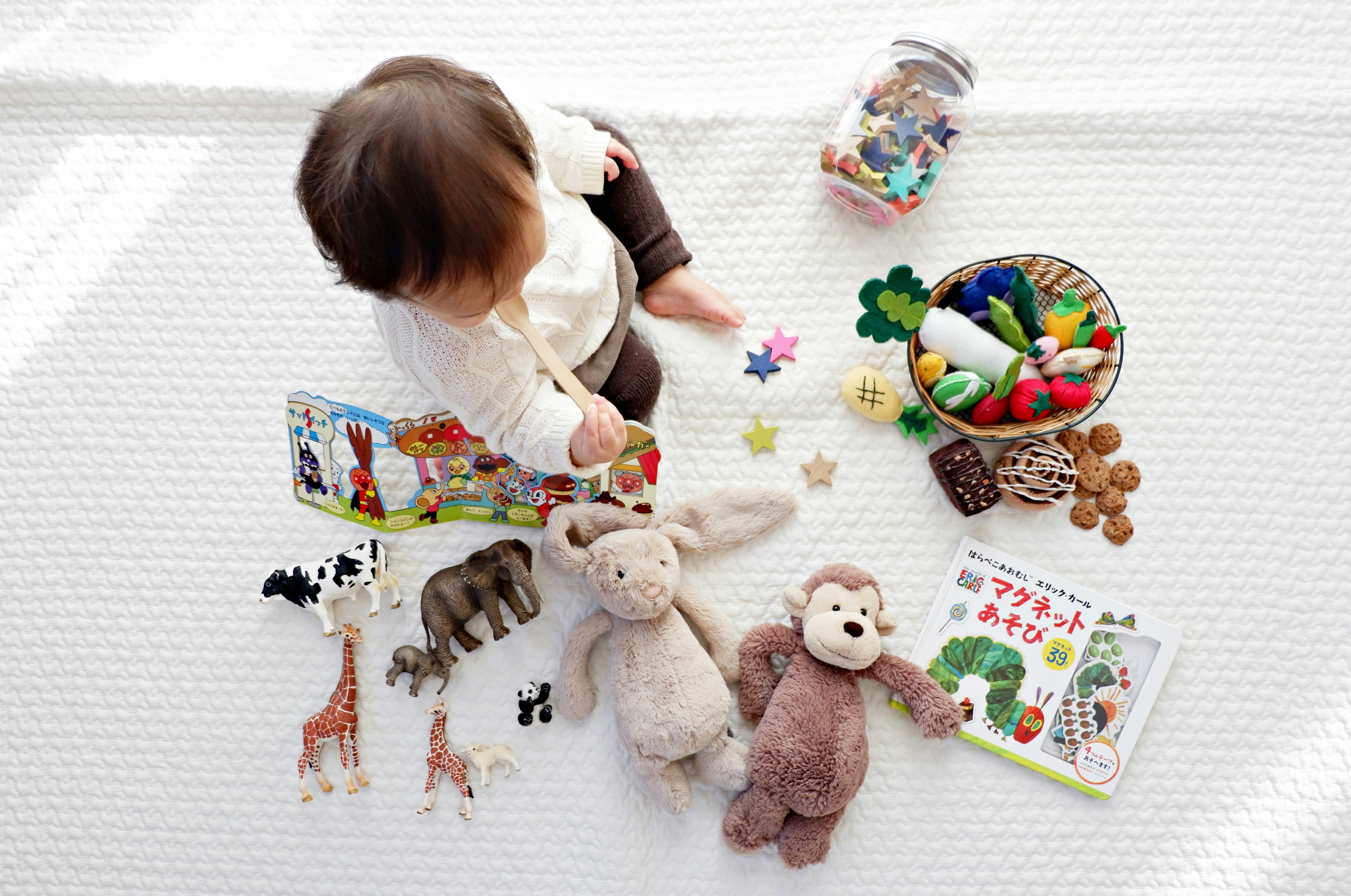
At the age of three, children undergo significant developmental milestones that lay the foundation for lifelong learning. During this critical period, play-based learning emerges as a crucial method through which children acquire new skills and knowledge. In the realm of early childhood education, play is not merely an enjoyable activity; it serves as a powerful catalyst for cognitive growth and creative expression.
Children learn best when they are engaged in play that ignites their interests and encourages exploration. Through imaginative play, such as pretending to be a doctor, a chef, or an astronaut, children expand their understanding of the world around them while enhancing their problem-solving abilities. This type of play allows children to process their experiences, cultivate creativity, and build confidence in their capabilities.
Moreover, social interaction during play is essential for developing social skills. At this age, children are beginning to form friendships and learn the nuances of communication and collaboration. Engaging with peers fosters cooperation, sharing, and empathy, which are fundamental skills for successful interpersonal relationships in the future. Toys that encourage group play, such as building blocks or art supplies, can significantly enhance these social experiences.
Choosing appropriate toys is vital to support this form of learning. Developmentally appropriate toys not only stimulate cognitive functions but also promote creativity and social interaction. Toys that inspire imaginative play, such as dolls, action figures, or musical instruments, can nurture children’s instincts to learn while having fun. In this context, selecting the best toys for three-year-olds transcends mere entertainment; it becomes an investment in their developmental journey and the joy of learning.
Benefits of Educational Toys for 3-Year-Olds
In the developmental stage that encompasses ages three to four, children are experiencing significant growth in various domains, including cognitive, emotional, and social aspects. Educational toys specifically designed for this age group can provide numerous advantages that enhance learning and stimulate creativity. These toys not only entertain but also serve as valuable tools in cognitive development. For instance, puzzles and building blocks encourage problem-solving skills and critical thinking, allowing children to engage in constructive play while refining their reasoning abilities.
Moreover, toys that promote language and literacy development are crucial at this age. Interactive books, spelling games, and toys that feature words and sounds can greatly enhance vocabulary and comprehension skills, laying a solid foundation for future educational success. Through the use of these toys, children become familiar with basic concepts such as letters, numbers, and spatial awareness, boosting their readiness for school.
Additionally, fine motor skills are significantly supported by educational toys. Activities that involve stacking, threading, or manipulating small pieces help refine hand-eye coordination and dexterity. These skills are foundational not only in play but also in various daily activities as children grow older. Furthermore, educational toys often promote cooperative play, allowing children to learn social skills such as sharing, taking turns, and empathy during interaction with peers.
Ultimately, incorporating educational toys into playtime can create a rich, engaging environment where children thrive. This not only fosters their cognitive development but also nurtures their emotional and social growth, making play both enjoyable and enriching. Given the myriad of benefits that educational toys offer, they play a pivotal role in shaping the learning experiences of 3-year-olds, supporting their overall development in a holistic manner.
Best Types of Toys for 3-Year-Olds
When selecting toys for three-year-olds, it’s crucial to choose items that foster learning and creativity. Various categories of toys stand out in this regard, including STEM toys, role-play accessories, and motor skills development tools.
STEM toys are specifically designed to cultivate interest in science, technology, engineering, and mathematics. These toys encourage children to experiment and utilize problem-solving skills. For instance, building blocks that promote construction activities allow children to visualize their ideas and understand basic engineering principles. By utilizing such toys, children engage in imaginative play while also fostering critical thinking skills.
Role-play items are another excellent category of toys that inspire creativity. These toys help children understand the world around them by allowing them to imitate adult activities. Items like pretend kitchens, doctor kits, or tool sets enable children to explore various professions and scenarios. Through role-play, children develop social skills and empathy, as they learn to interact with others and express emotions through their characters.
An additional important category is motor skills development tools. Toys such as puzzles, threading beads, or simple art supplies enhance fine motor skills coordination and dexterity. Engaging in these activities not only supports physical development but also promotes cognitive functions such as focus and perseverance. As children manipulate objects, they gain spatial awareness and problem-solving skills.
In summary, selecting toys that fall into these categories can significantly enhance the learning and creative capabilities of three-year-olds. By integrating STEM, role-play, and motor skills tools into playtime, parents provide their children with valuable experiences that lay the groundwork for future learning and development.
Safety Considerations When Choosing Toys
When selecting toys for three-year-olds, safety must be the foremost consideration. At this stage of development, toddlers are naturally curious and engaged with their environment, making it essential to choose toys that are appropriate for their age and skill level. Age appropriateness is a significant factor, as toys labeled for older children may pose risks such as small parts that could be choking hazards. Parents should always select toys specifically designed for young children, avoiding those intended for older age groups.
Another critical aspect is the materials used in toy manufacturing. Parents should ensure that the toys are made from non-toxic and durable materials. Many manufacturers now produce toys from sustainable resources or biodegradable options, which are not only safer for children but also better for the environment. It is advisable to avoid toys with painted surfaces that may contain harmful chemicals, such as lead-based paints.
Choking hazards represent another significant concern when choosing toys for toddlers. Items that are small enough to fit through a toilet paper roll can be choking risks, so it is crucial to avoid toys with small parts. In addition to age-appropriate sizing, parents should regularly inspect toys for wear and tear, as this can lead to small components breaking off and becoming hazardous.
Lastly, when purchasing toys, parents should verify that they comply with established safety standards. Many countries have safety regulations that ensure toys meet specific criteria before reaching consumers. Looking for labels or certifications from recognized authorities can provide reassurance that the toy has been tested for safety. By considering these factors, parents can make informed choices that prioritize their children’s safety while also supporting their learning and creativity.